
Table of Contents
The 4 Stages of High School Explained: What Freshmen, Sophomores, Juniors, and Seniors Can Expect
By Tim Alcantara, Forest Trail Academy
Navigating the journey through high school can be both exhilarating and overwhelming for students and their families. This article aims to clarify the distinct phases—freshman, sophomore, junior, and senior years—that collectively shape these formative years in a student’s life. Each stage comes with unique academic, social, and emotional developments that significantly influence a student’s educational experience. From understanding the academic expectations to grasping social dynamics, this guide will provide insights into what to expect at each grade level. Additionally, we’ll explore how enrolling in a flexible online curriculum, such as that offered by Forest Trail Academy, can empower students to thrive in these critical stages.
Overview of the 4 Stages of High School: Academic, Social, and Emotional Development
High school is a critical period for academic, social, and emotional growth. The transition from middle school to high school often brings significant changes in responsibility and expectation. Students must learn to manage their time more effectively, engage in deeper academic content, and build strong peer relationships. A supportive environment during these transitions is crucial; it can greatly impact students’ confidence and readiness for future challenges. Understanding these four stages can help both students and parents prepare for the journey ahead.
Freshman Year (9th Grade): The Transition Stage
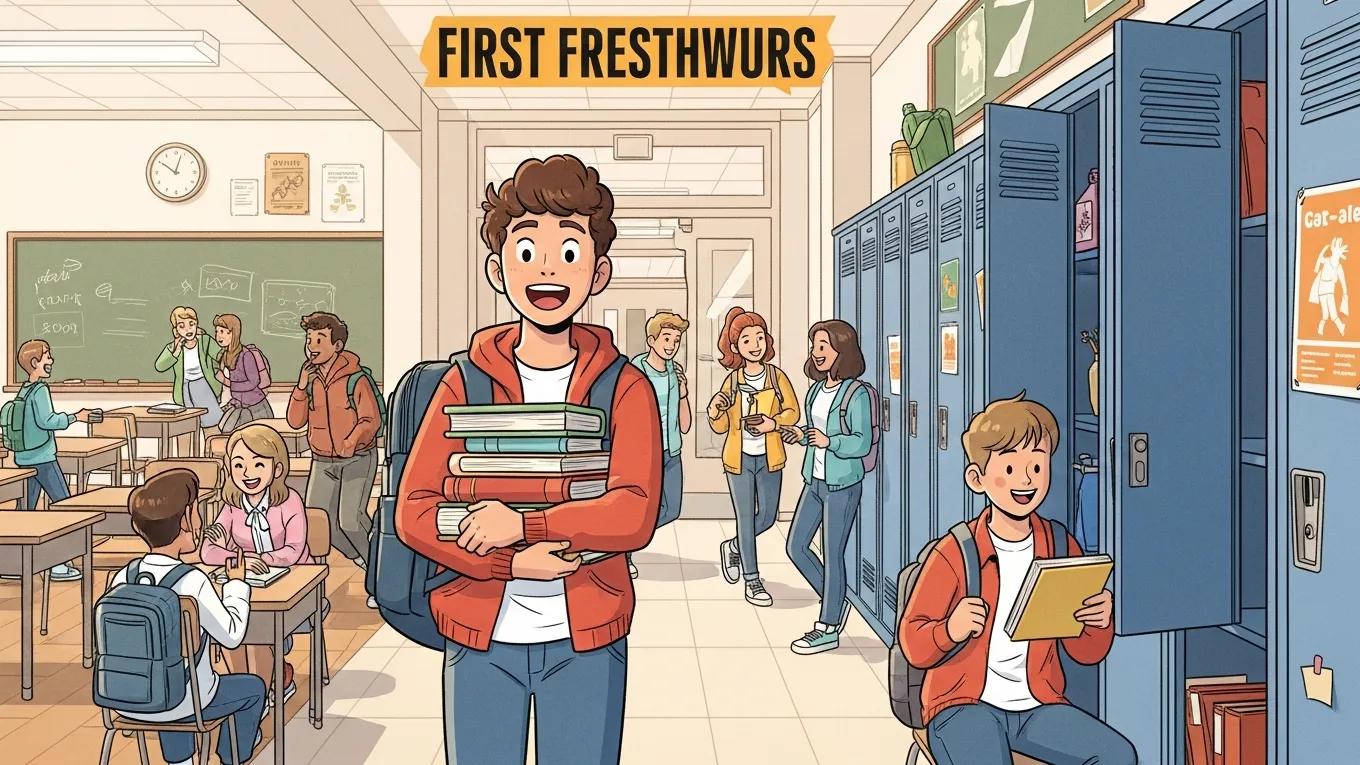
Freshman year is often the most significant transition period in high school, marking the shift from middle school to more rigorous academic and social environments. Students are typically introduced to various core subjects, such as mathematics, science, and literature, while also navigating the complexities of high school life. Understanding the importance of time management becomes crucial as they juggle homework, extracurricular activities, and social obligations.
Academic Development
In terms of academics, freshmen face an increase in responsibility, as grades begin to impact future educational opportunities. This year often includes foundational courses such as Algebra and Biology that set the stage for future studies. Students are encouraged to participate in academic clubs and sports, fostering both learning and social engagement.
Social Development
Socially, students are adjusting to a new atmosphere filled with diverse personalities and experiences. Freshmen often find it beneficial to join clubs or teams, which can aid in forming friendships and easing the transition. Developing social skills is as vital as academic success during this period.
Emotional Development
Emotional growth is also significant during freshman year, as students learn to navigate the pressures of peer relationships and academic expectations. Mental health resources and support systems can make a considerable difference. Knowledge about available resources is essential for emotional well-being.
Sophomore Year (10th Grade): Building Confidence and Skills
Sophomore year serves as a continuation of foundational learning, helping students solidify their understanding of various subjects. With one year of high school experience under their belts, sophomores often find themselves more comfortable in their social and academic lives. For comprehensive options regarding their educational journey, explore the flexibility of an online high school curriculum.
Academic Development
Academically, students may have the opportunity to choose electives that reflect their interests. This year is pivotal for developing critical thinking and decision-making skills through courses that may include History, Chemistry, or advanced mathematics, offering a primer for junior year challenges.
Social Development
Socially, students begin to see themselves as more established members of the high school community. They develop an increased sense of independence and personal responsibility. Peer relationships often deepen, and students are encouraged to collaborate on projects that enhance teamwork skills.
Emotional Development
Emotionally, sophomores continue to refine their self-identity. They experience a broadened sense of belonging within the school environment. Alongside academic commitments, students are often encouraged to engage in volunteer work or extracurricular activities that align with their values.
Junior Year (11th Grade): Preparation for the Future

Junior year is often considered one of the most crucial stages of high school as it lays the groundwork for post-secondary education. This year typically focuses heavily on preparing for standardized tests, such as the SAT or ACT, and college applications.
Academic Development
Students are encouraged to take advanced courses that may include Advanced Placement (AP) classes, which can earn them college credit. Maintaining a strong GPA becomes increasingly important, as it plays a critical role in college admissions.
Social Development
Socially, juniors often find themselves balancing academic rigor with a desire for meaningful connections. This year may see increased involvement in leadership positions within clubs or sports, promoting the development of social skills and personal networks. Navigating these crucial years with a structured yet flexible approach is key, and comprehensive K-12 online learning options can significantly support students.
Emotional Development
The stress of preparing for college can weigh heavily on juniors. Therefore, it is vital for students to utilize school counseling resources to manage their responsibilities and emotional health effectively.
Senior Year (12th Grade): The Culmination Stage
Senior year represents the culmination of high school efforts, filled with important milestones and responsibilities.
Academic Development
Academically, seniors are often tasked with completing capstone projects, finalizing graduation requirements, and preparing for college-level coursework. This involves meeting specific graduation credits that vary by school.
Social Development
Socially, seniors face the challenges of navigating college applications and maintaining friendships as they prepare for life after high school. This stage is marked by significant transitions that can influence social dynamics.
Emotional Development
Seniors must also manage their expectations regarding college admission responses, along with the reality of transitioning out of a structured high school environment. Preparing for life skills, such as financial literacy and time management, becomes increasingly important.
What Graduation Milestones and Responsibilities Define Senior Year?
Senior year is filled with key responsibilities and milestones that every student must navigate:
- Graduation Requirements: Completing all necessary coursework and obtaining credits.
- College Applications: Meeting deadlines and preparing application materials.
- Life Skills Preparation: Learning essential skills for post-graduation independence.
This focus on academic achievement, social transitions, and emotional preparedness equips students for their future endeavors, whether that be higher education, vocational training, or immediate employment.
A critical aspect of senior year, especially within online learning environments, is the flexibility and personalization offered to students.
Flexibility and Personalization in Senior High School Learning
program in terms of flexibility and personalization of learning. This research provides insights into how the senior high schoolFlexibility and personalization of learning in the senior high open high school program: Basis for enhanced alternative delivery mode of teaching and learning, 2023
How Do Seniors Balance College Applications with Online Curriculum Demands?
Managing the senior year workload can be challenging, especially with the pressures of college applications. To maintain balance, students can employ several strategies:
- Prioritization: Focus on high-impact tasks and upcoming deadlines.
- Time Management: Create a structured schedule to allocate time for studying, applications, and personal activities.
- Seeking Support: Utilize available guidance from teachers and family.
How Does Forest Trail Academy’s Online High School Curriculum Support Each Grade Level?
Forest Trail Academy offers a robust online high school curriculum that supports students at every stage of their academic journey. With a focus on personalized learning opportunities, students have access to diverse course offerings tailored to their needs. This flexibility allows them to manage their time effectively while engaging with material that interests them.
What Flexible, Accredited Courses Are Offered from Freshman Through Senior Year?
The flexibility of the program allows students to select from a wide array of accredited courses throughout their high school years, ensuring they receive a comprehensive education that aligns with their future aspirations. The course offerings include:
- Freshman Courses: Foundational subjects like English, Math, and Science.
- Sophomore Electives: Options in foreign languages, technology, and arts.
- Junior Year Preparations: Advanced coursework in AP subjects and college prep classes.
- Senior Graduation Requirements: Capstone projects and practical life skills courses.
By enrolling in a program like Forest Trail Academy, students are well-equipped to navigate the complexities of high school while preparing for a successful future.